


The headlines are buzzing with the “AI revolution” in real estate. From predicting the next high-growth suburb to instant property valuations, Artificial Intelligence (AI) is promised to be the ultimate game-changer for Australian investors.
But while AI is an incredibly powerful research tool, treating it as a “set-and-forget” strategy is one of the most dangerous mistakes an investor can make in 2026. At Success Avenue, we believe in leveraging technology, but we never let it replace human judgment. Here is why you should use AI as your co-pilot, not your captain.
1. The “Hallucination” Factor: AI Isn’t Always Fact-Checked
Recent experiments by property specialists have shown that AI tools, including advanced versions like ChatGPT Pro, can fail fact-checking more than half the time when picking investment locations. AI has been known to “hallucinate”—confidently citing fake numbers for “days on market,” inventing price growth statistics, or even recommending suburbs that don’t exist in the actual dataset.
The Lesson: If you wouldn’t buy a house from a stranger who makes up facts, don’t buy one based solely on an unverified algorithm.
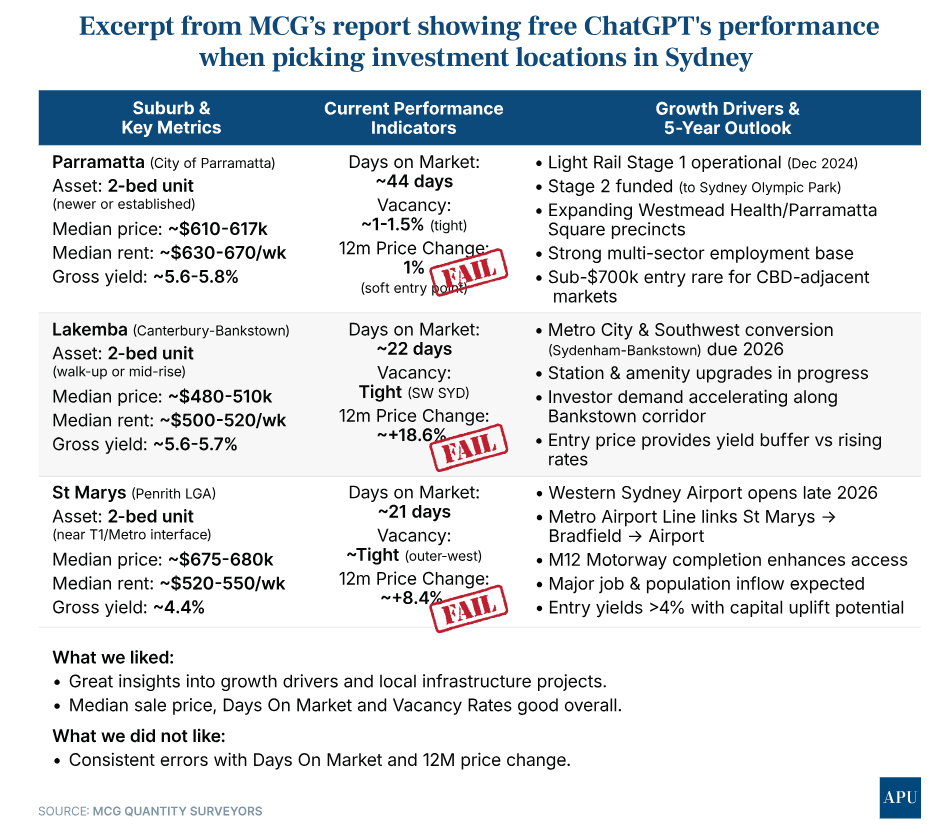
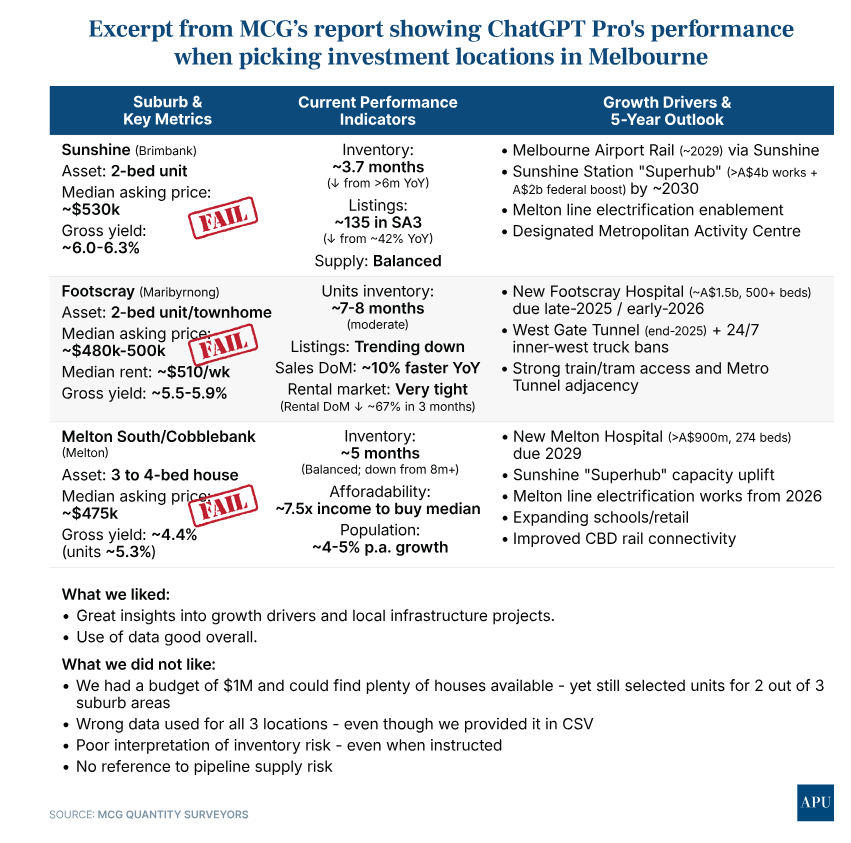
2. The Yield Trap: AI Favours Data Over Strategy
AI models often prioritise rental yield because it’s a clean, easy-to-calculate number. However, this often leads AI to recommend units and apartments over houses. While the yield might look good on paper, it often comes at the expense of long-term capital growth—the primary driver of wealth for most Australian investors.
The Human Edge: A property consultant knows that a $1 million budget in a growth corridor might be better spent on a house with land value rather than a high-yield apartment in a high-supply area.
3. The “Physical” Blind Spot
AI can analyse 5.5 billion data points, but it cannot set foot on a property. It cannot:
- Detect structural issues: It doesn’t know if there is a hidden termite problem or rising damp.
- Evaluate “Feel”: It can’t tell if the layout flows well or if the neighbourhood has a “bad vibe” that will deter future tenants.
- Understand Micro-Markets: A valuation tool might give you a suburb average, but it won’t tell you that the south side of a particular street is significantly more valuable than the north side due to school catchments or elevation.
4. AI Creates Its Own Crowds

When thousands of investors use the same AI tools to find “hidden gems,” those gems quickly become overcrowded. This “herd behaviour” can artificially inflate prices in a suburb, leading to short-term spikes that aren’t backed by infrastructure or genuine demand. Once the AI-driven crowd moves on, latecomers are often left with stagnant assets.
How to Use AI Wisely
We aren’t saying you should ignore AI. In fact, it is excellent for:
- Initial Due Diligence: Speeding up the search for infrastructure-driven growth (like new train lines or hospitals).
- Data Aggregation: Summarising thousands of listings into a manageable shortlist.
- Market Sentiment: Tracking broad shifts in interest rates and migration flows.
The Success Avenue Verdict
AI is a brilliant research assistant, but a terrible investment advisor.
In the Australian property market, the most valuable “data” often isn’t digital. It’s the off-market deals shared between agents, the unspoken council zoning shifts, and the years of experience that tell you when a “great deal” is actually too good to be true.
Don’t let an algorithm dictate your financial future. Use the tools to get informed, but use a human expert to get it right.
Disclaimer: The information presented above is for illustration and discussion only. Any party seeking to rely on content or otherwise should conduct their due diligence and inquiries to ensure that it is relevant to their personal and business needs and circumstances.